What Is Aquaponics?
Aquaponics is a way to raise aquatic animals, usually fish, and grow plants without soil in one connected system. It combines aquaculture with hydroponic plant production. Beneficial bacteria provide biological filtration by converting ammonia into forms of nitrogen plants can use. In a typical home system, water recirculates through the fish tank, filtration and plant-growing area.
Aquaponic farming uses this relationship to produce plants and, where edible fish are raised, fish for food. The key is managing the fish, bacteria and plants together—not simply adding plants to any fish tank. This article explains the process; our beginner aquaponics guide helps you plan where to start.
On this page: How it works · Compare growing methods · System types · Real UFF builds · Equipment examples
How Aquaponics Works
Follow two connected paths: the nutrients change form, while the water keeps circulating.
01
Feed enters the fish tank. Fish release ammonia; solid waste and uneaten food also need managing.
02
Biological filtration processes ammonia. Nitrifying bacteria convert it first to nitrite and then to nitrate.
03
Plants take up nutrients. Roots absorb nitrate and other available nutrients from the water.
04
Water returns to the fish. Filtration, plant uptake and aeration help maintain suitable conditions in the recirculating system.
A practical layout might use a fish tank, a solids filter, a biofilter, a plant bed and a return pipe. Some functions share a component: media in a grow bed can also provide surfaces for bacteria. University extension’s small-scale overview explains this relationship.
The Three Biological Parts of Aquaponics
Fish / Aquatic Animals
Fish receive feed and produce waste. Their care sets limits on feeding, temperature and water conditions. They are living animals to look after, not a fertilizer dispenser.
Beneficial Bacteria / Biofiltration
Bacteria grow on surfaces such as filter media, grow media and other wetted parts. Nitrifying bacteria make nitrogen waste easier to manage by changing its chemical form.
Plants
Plant roots take up dissolved nutrients to support growth. Plants still need suitable light, temperature and a balanced nutrient supply; fish waste is not a guarantee that every nutrient is sufficient.
Removing solid particles and converting dissolved ammonia are different jobs. Plant uptake is another part of management. None of these makes the water sterile or removes the need to test it.
The Aquaponics Nitrogen Cycle
The main nitrogen pathway is ammonia → nitrite → nitrate → plant uptake. Different groups of bacteria carry out the two conversion stages.
| Compound | Role in the system |
|---|---|
| Ammonia | Fish release ammonia into the water. Its toxicity depends on conditions including pH and temperature. |
| Nitrite | An intermediate product of nitrification that can harm fish if it accumulates. |
| Nitrate | A nitrogen source plants can use. It still needs monitoring; it is not harmless at every concentration. |
“Cycling” means establishing the bacteria needed to process the planned waste load. Running a pump for a few days is not proof of readiness. Water tests should guide startup; do not use fish survival as a test. This extension guide explains cycling and water-quality monitoring.
The cycle needs suitable oxygen, temperature and pH conditions. This is an explanation of the process, not a dosing or stocking recipe.
Aquaponics vs Hydroponics vs Aquaculture
| Method | Fish | Plants | Soil | Primary nutrient source | Water recirculation | Main management challenge |
|---|---|---|---|---|---|---|
| Aquaponics | Usually | Yes | No growing soil required | Fish feed, through animal waste and biological processing; supplements may be needed | Typical in connected home systems | Balance fish care, biofiltration and crop needs |
| Hydroponics | No fish required | Yes | No growing soil required | A prepared nutrient solution | Depends on design: open or recirculating | Manage the nutrient solution and root environment |
| Aquaculture | Fish or other aquatic organisms | No crop plants required | Not a soil-based gardening method | Feed or natural food sources, depending on the operation | Depends on design: ponds, flow-through or recirculating tanks | Maintain aquatic animal health and water quality |
Hydroponics is plant production without soil; aquaculture is the rearing of aquatic organisms. Aquaponics connects the two. This hydroponics overview explains why hydroponic systems do not all recirculate water. Growing plants in water without the aquatic-animal component is not aquaponics.
What Can You Grow in Aquaponics?
- Leafy greens: lettuce and other salad greens are practical crops to explore, with varieties matched to the growing temperature.
- Herbs: basil is one example; choose herbs for the available light, season and growing method.
- Fruiting crops: tomatoes, cucumbers and peppers can be grown, but need planning for support, space and nutrient demand.
There is no single crop list that works equally well in every system. FAO’s practical guidance discusses crop selection and balancing production. The Austin backyard installation shows how UFF used shade cloth around a real growing area.
Some systems need additional nutrients, including iron, potassium or calcium. Diagnose a deficiency rather than adding ordinary garden fertilizer to shared fish water. The aquaponics tank-production reference discusses nutrient management.
What Fish Can Be Used in Aquaponics?
Choose fish for the water temperatures you can maintain, their adult size, your system’s capacity, local possession rules and whether you want edible or ornamental fish. Experience and dependable care matter as much as the species name.
Tilapia are commonly associated with warm-water systems; trout require cooler conditions and suitable oxygen supply. They are not interchangeable choices for the same backyard tank. Goldfish or koi may be considered for ornamental systems, with space and care planned for their adult size. Use the UFF fish guide to explore options, then verify species-specific requirements before stocking.
The Main Types of Aquaponics Systems
Media Bed
Roots grow in suitable media, such as expanded clay or gravel.
Deep Water Culture / Raft
Roots hang beneath rafts into aerated growing water.
These describe how the plants are grown. Flood-and-drain, constant-flow and drip are delivery approaches primarily within the media-bed branch of UFF’s architecture. Compare the main types of aquaponics systems when you are ready to choose a layout.
Benefits of Aquaponics
- Water can be reused between fish and plant production instead of passing through the system only once.
- Plants grow without relying on garden soil.
- One managed system can support plants and edible or ornamental fish.
- Some layouts make useful growing space on a patio or in a backyard.
These are opportunities, not guarantees. Water savings depend on the comparison, climate and management; evaporation, plant use and cleaning still require replacement water. Feed, power and sometimes nutrient supplements remain inputs. Aquaponics is not automatically zero-waste, pesticide-free or “completely organic.”
Limitations of Aquaponics
You take on fish care as well as gardening. Budget for equipment, feed, water tests and electricity. The biological filter needs time to establish, and fish, bacteria and crops need compatible conditions.
Pumps and aeration require attention; failures can quickly affect the system. Heating, cooling or lighting may add costs. For a broader practical overview, read the disadvantages of home aquaponics.
Food safety still matters in soilless growing. Clean-looking water does not establish that produce is safe to eat; contamination control, sanitation and appropriate handling remain necessary. Purdue’s food-safety research illustrates why aquaponic and hydroponic production still need hygiene controls.
What Does a Real Aquaponics System Look Like?
Original Experience / What We Built
These historical UFF projects make the concept concrete. They document what was assembled and observed at the time, rather than proving that an installation or business is still operating today.
Austin Backyard Garden — 2018
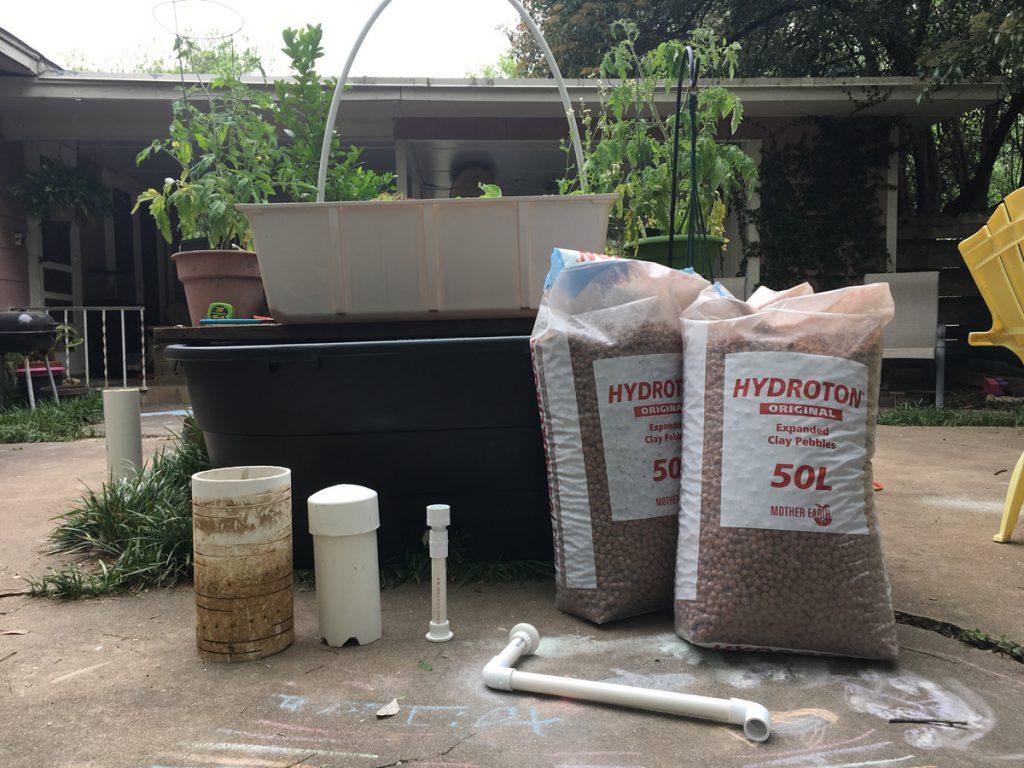
The family backyard installation shows a tank, media bed, pump and bell siphon connected into one garden. Use the photos and parts list to understand the water route and the role of the bed.
Patio IBC Tote System — 2017
The patio IBC project shows how a tank and growing bed can fit a patio corner, with later growing-tube additions and shade. It makes the layout easier to picture.
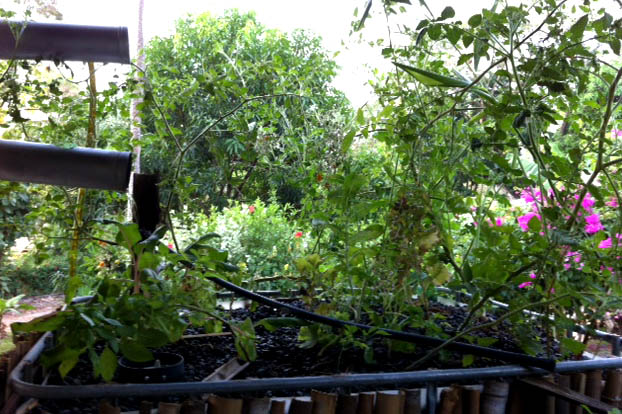
Green Lady Display Installation — 2011
In the first-week installation account, UFF describes using a glass tank so visitors could see the fish and water. The article also records concern about light exposure and algae—a useful example of a display choice that creates maintenance needs.
Updated Guidance / What We Recommend Today
Study the projects for their layout and documented choices. Verify cycling with tests before adding fish, and reassess historical fish counts, bed ratios and startup schedules for your own design. The single IBC tote guide is another layout reference; its annual fish-output figures are not a production promise.
Is Aquaponics Good for Beginners?
A simple system can be approachable if you are willing to learn and check it regularly. Start by understanding cycling, water testing, fish care, pumping, aeration and the requirements of your chosen crops.
You do not need to build a large system to understand the concept. Start with our beginner aquaponics guide to work through the planning questions before choosing equipment.
Equipment That Makes the Process Work
These examples reuse products already linked from the UFF homepage. Choose equipment after planning your system; they are not a complete shopping list or a claim of firsthand testing.
As an Amazon Associate I earn from qualifying purchases. If you buy through these links, UFF may earn a commission at no additional cost to you.
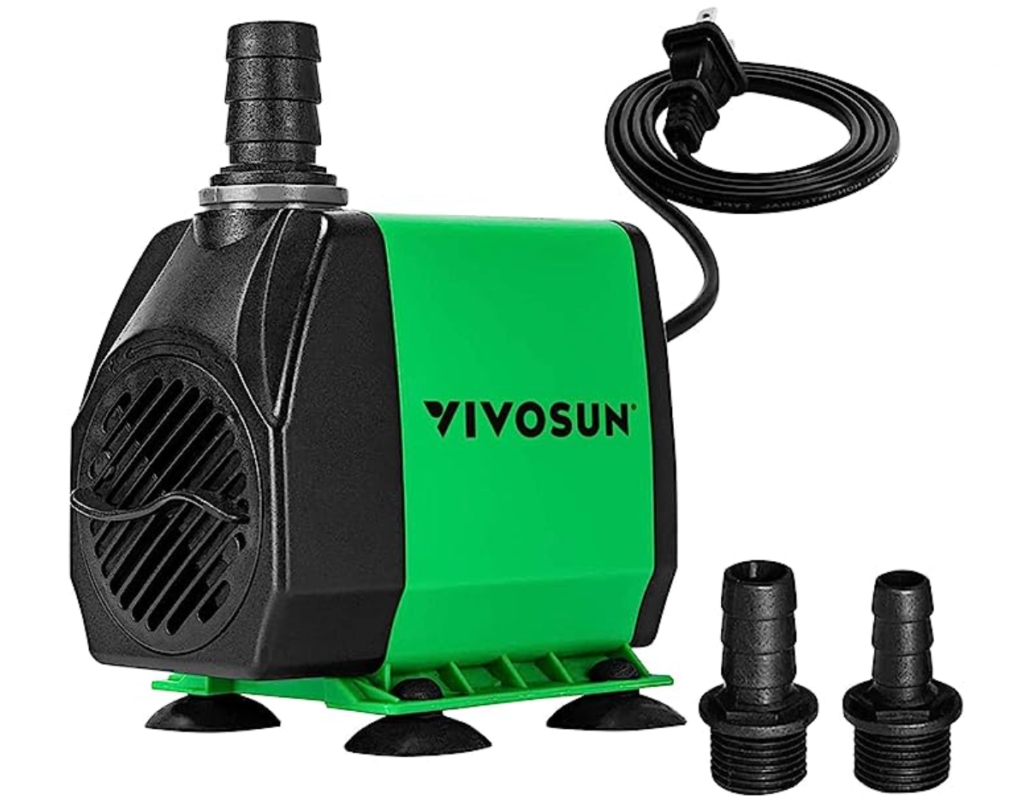
Submersible water pump
A pump moves water around the system. Check its flow at the lift height your layout needs, along with fittings and maintenance access. Explore UFF’s pump resources.
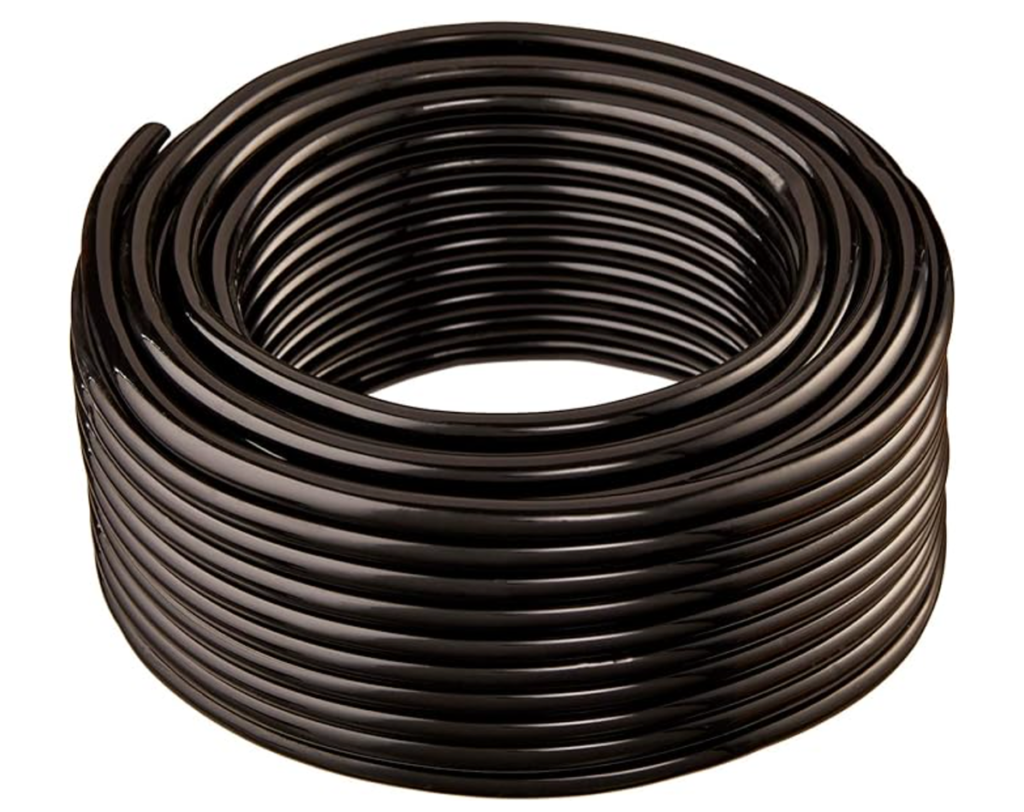
Black vinyl tubing
Tubing connects components. Confirm the actual size and length on the listing, compatibility with your pump fittings, and suitability for your application before buying.
A working system also needs appropriate fish housing, plant support, filtration, aeration and water testing. Browse the UFF supplies directory once you know what your design requires.
Where to Go Next
Plan
Work through the beginner planning questions.
Choose
Compare the three main growing-system families.
Build
See a documented backyard project and its components.
Explore fish for aquaponics · Study the single IBC tote layout