
Urban Fish Farmer / Start here
Aquaponics: A Practical Guide to Growing Fish and Plants at Home
Aquaponics combines raising fish with growing plants without soil. Fish feed supplies nutrients to the system, bacteria convert ammonia into forms plants can use, and the water circulates between the fish tank, filtration and growing area. A home system is a garden and a fish habitat that you manage together.
Start here if you are planning a home or backyard aquaponics garden. This guide explains the main choices, introduces the parts you need and points you to Urban Fish Farmer’s detailed articles and historical builds. For the full definition, read what aquaponics is and how it works.
Plan your first system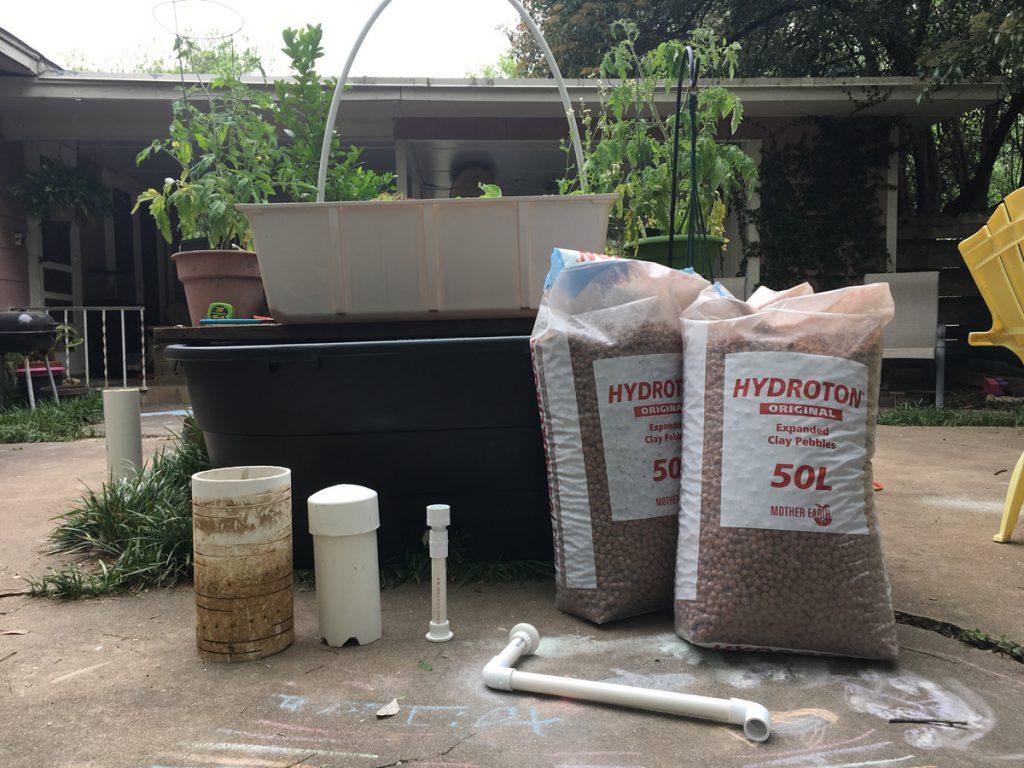
01 / Understand the cycle
How Aquaponics Works
Fish
You feed the fish. They release ammonia into the water, and uneaten feed and solid waste also need managing.
Bacteria
Beneficial bacteria convert ammonia to nitrite, then nitrate. This biological filtration is separate from removing solids.
Plants
Plants take up nutrients from the circulating water. Water returns to the fish tank in a typical home recirculating system.
Fish, plants and bacteria all need suitable conditions. Plants do not replace filtration, aeration or water testing. See the small-scale aquaponics overview from university extension for more on this cycle.
Is Aquaponics Right for You?
Aquaponics may suit you if you enjoy caring for fish as well as gardening, have dependable power and can check the system regularly. It can fit a backyard or patio, but the space must accommodate tanks, growing beds and access for maintenance.
Plan for equipment, fish feed, testing and electricity before buying parts. Outdoor production follows your climate; heating, cooling or indoor lighting adds expense. If you mainly want a simple vegetable garden, compare the work involved with other ways to grow food at home. Our overview of aquaponics challenges introduces the practical tradeoffs.
02 / Find your fit
Main Types of Aquaponics Systems
Compare three main growing methods first. Your crops, space and willingness to maintain equipment should guide the choice. Use the aquaponics system selection page for a deeper look.
System 1
Media Bed
Roots grow in gravel, expanded clay or other suitable media.
Plan for: Useful for exploring a mixed backyard garden. Plan for the bed’s weight, drainage and solids management.
Explore Media BedSystem 2
DWC / Raft
Plants sit in rafts with roots suspended in water.
Plan for: Commonly used for leafy crops. Design filtration and root-zone aeration into the system.
Explore DWC / RaftSystem 3
NFT
A shallow flow of water passes through growing channels.
Plan for: Channels need filtered water, dependable flow and regular checks for blockages.
Explore NFTFlood and drain / ebb and flow, constant-flow media beds and drip or timed delivery describe ways of delivering water, primarily within the media-bed branch here. A pump running continuously can still supply a flood-and-drain bed if a bell siphon periodically empties it.
03 / Build with a plan
Starting Your First Aquaponics System
Before cutting a tote or ordering a pump, sketch where the tank, bed, filters and water returns will sit. Leave room to clean every component.
- Decide what you want to grow and whether you want edible or ornamental fish.
- Choose a location with suitable light, water access, dependable power and support for the filled system.
- Compare media beds, DWC and NFT, then choose a build you can inspect and maintain.
- Plan the tank, growing area, filtration, aeration and plumbing together.
- Run the assembled system without fish to check leaks, drains and water levels. Establish and test the biological filter before stocking.
- Begin conservatively and keep a simple record of water readings, feeding and changes.
The Austin backyard aquaponics build documents a real installation and parts list. The single IBC tote guide offers another layout to study. Read their original dimensions as project details, and use the updated cycling guidance below before adding fish.
Fish for Aquaponics
Choose fish for the water conditions you can maintain through the seasons, their adult size and your system’s capacity. Start with the fish for aquaponics overview, then explore the existing tilapia, trout and bass resources as appropriate.
Check species-specific husbandry and local possession rules before buying fish. Do not choose a stocking level from tank volume alone: adult fish weight, feeding, filtration and oxygen supply all matter. Ornamental fish may suit an educational system when harvesting fish is not the goal.
Plants for Aquaponics
Leafy vegetables are a useful starting point; larger fruiting crops require more planning for nutrients, light and support. FAO’s practical aquaponics guidance discusses crop choice and keeping fish and plant production balanced.
UFF’s Austin garden installation and patio IBC tote project show real growing areas and shade arrangements. Use these as examples of layouts rather than promises that the same crops will perform identically in your climate.
The most important habit / Test before stocking
Cycling & Water Quality
Cycling means establishing bacteria that process ammonia, not simply running a pump. Check ammonia, nitrite, nitrate, pH and temperature during startup, and plan for adequate dissolved oxygen and suitable source water. Readings and the system’s ability to process its planned waste load matter more than a fixed number of days.
Use a documented fishless cycling method before stocking a new system; do not use fish survival as a readiness test. Oklahoma State University’s cycling and maintenance guide explains startup and monitoring. Target conditions depend on fish species and the whole system.
UFF’s fish health and water-quality article covers topics to monitor, but its single temperature range should not be treated as suitable for every fish. If using municipal water, establish how it is disinfected and use an appropriate fish-safe treatment before adding it.
Pumps, Aeration and Plumbing
A water pump moves water; aeration helps maintain oxygen for fish, roots and bacteria. Select a pump from its performance at your actual lift height and plumbing layout, rather than its advertised maximum flow alone. This university extension component guide explains pump head and backup aeration.
Make drains accessible, watch for blockages and plan how fish will receive oxygen during a power failure. Browse UFF’s water pump resources and plumbing and hardware resources once you know the requirements of your layout.
Grow Beds and Media
In a media bed, the growing material supports roots and provides surfaces for bacteria. Choose durable material that is appropriate for contact with fish and food-production water, drains properly and does not cause unwanted changes in water chemistry. Include the weight of water and media when planning supports.
UFF’s backyard build documents the grow bed and expanded clay used in that installation. Compare grow-bed options and growing media and supplies. Bed depth and tank-to-bed ratios are design decisions, not universal specifications.
04 / Learn from actual installations
Real Urban Fish Farmer Builds
Original Experience / What We Built
These articles preserve UFF’s earlier installations, photos and observations. Their dates describe the original projects; they do not establish that a business or installation is operating today.
Austin, Texas / 2018
A backyard garden built for a family
A purchased tank and grow bed, expanded clay, a bell siphon and shade cloth. Follow the original installation and parts list.
See the Austin build
Patio IBC project / 2017
An IBC tote garden that evolved
A documented patio build with bamboo cladding, gravel media and later growing-tube additions. See the choices made with locally available materials.
See the patio projectMore from the UFF archive: Green Lady installation, week 1 (2011) · week 2 · Santa Teresa, Costa Rica trial run (2013).
Updated Guidance / What We Recommend Today
Study the builds for their layouts and the decisions made at the time. Establish cycling with water tests before stocking; old fish-introduction schedules are not instructions to follow. Verify the previous contents of any reused container. Reassess supports, fish capacity and equipment against your own design rather than copying historical fish counts.
Common Aquaponics Problems
Start with what you can observe and measure. A symptom alone rarely identifies the cause.
| What you notice | What to check first |
|---|---|
| Fish gathering at the surface | Check aeration, water circulation, temperature and water quality promptly. |
| Yellow leaves or slow growth | Review light, crop temperature needs, pH and nutrient supply before adding anything. |
| A grow bed will not drain | Inspect the outlet, media guard and siphon for blockages; check incoming flow. |
| Water levels keep falling | Look for leaks and overflow, and account for evaporation and plant water use. |
The Austin build’s bell-siphon section explains how flow affected that installation. For broader checks, use the extension maintenance and troubleshooting guide. Avoid applying a garden spray or fish treatment to shared water without confirming its suitability for the fish, plants and intended food use.
Aquaponics Supplies
Make a parts list from the system design before shopping. UFF’s aquaponics supplies section groups fish tanks, grow beds, pumps, growing supplies and hardware.
Some linked supply pages contain affiliate links and historical prices. Verify current specifications and availability with the seller; inclusion here does not mean UFF has tested every product.
Useful resources for your build
As an Amazon Associate I earn from qualifying purchases. This section contains affiliate links. If you buy through them, Urban Fish Farmer may earn a commission at no additional cost to you. These are product examples and reading resources, not claims that UFF tested every item.
Growing media
Expanded clay pebbles
An example of media for a planned media-bed build. Confirm bag volume and how much your bed needs; the historical UFF build used expanded clay, but that does not establish testing of this specific product.
View on AmazonWater monitoring
HM Digital PH-80
A pH meter example already listed on UFF. It does not replace ammonia, nitrite or nitrate tests. Review calibration and care requirements.
View on AmazonFurther reading
Aquaponic Gardening
Sylvia Bernstein’s established aquaponics book, already included in UFF’s supply resources. Use it alongside current guidance and your chosen system plan.
View on AmazonCheck current specifications, seller and availability on Amazon. Match equipment and quantities to your design.
Aquaponics for Kids / Education
For parents and teachers, a small demonstration can introduce observation, living systems and how nutrients move. Let children sketch the water route, record plant growth or compare water readings with an adult. Adults should manage fish care, equipment and access to open tanks.
Explore UFF’s children’s learning resources and The Fantastic Fishy Farm, the site’s aquaponics picture book. A book or purchased kit is optional; the learning starts with observing and asking questions.
Where to Go Next
- Understand the basics: what aquaponics is and how it works.
- Choose your layout: compare aquaponics systems.
- Plan the fish habitat: explore fish for aquaponics.
- Study a documented build: the Austin backyard garden, the single IBC tote guide or the patio IBC project.
Before building, be able to explain where your water goes, how solids are managed, where bacteria live and how the fish get oxygen. Then choose the next article that answers a specific question in your plan.